Thank you for taking the time to read our blog and the best biology field trip ideas post. We hope you enjoy this post!!
Biology and Field Travel
Field travel plays a crucial role in biology education, offering hands-on experience that can’t be replicated in a classroom. By directly observing ecosystems, species, and natural processes, students gain a deeper understanding of biological concepts. Biology field trips not only provide practical learning but also encourage students to develop problem-solving skills, teamwork, and a respect for nature. These trips are fundamental for students pursuing careers in ecology, conservation, and environmental science. Experiential learning in the field helps them visualize textbook concepts while fostering an emotional connection to wildlife conservation efforts.
Best Biology Field Trip Ideas
When planning a biology field trip, it’s essential to choose a destination that offers educational value while also inspiring students. Below are some exciting biology field trip ideas that cater to different interests and educational levels.
Coral Reef Exploration
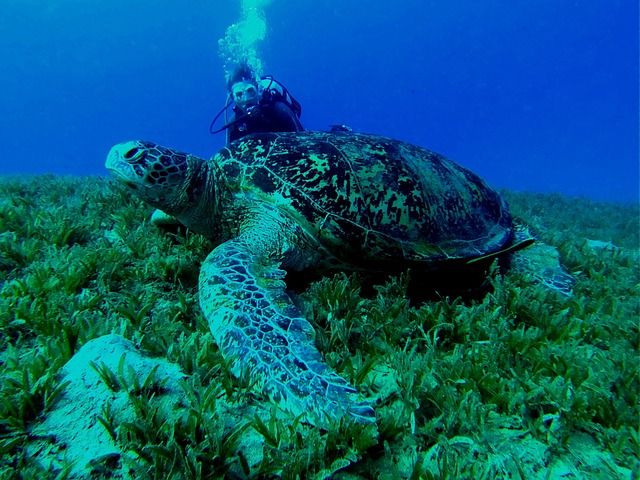
Coral reefs are one of the most biodiverse ecosystems on Earth, making them a fantastic location for biology students to study marine biology. Snorkeling or diving in a reef environment allows students to witness species interactions, observe coral health, and understand the impacts of climate change on marine ecosystems. Field trips to places like the Great Barrier Reef in Australia or the Belize Barrier Reef provide an opportunity to discuss marine conservation efforts and study a range of aquatic organisms in their natural habitats.
Rainforest Research Expeditions
Tropical rainforests are another top destination for biology field trips, offering the chance to study thousands of plant and animal species, many of which are found nowhere else on Earth. Rainforest expeditions in regions like the Amazon Basin or Costa Rica expose students to critical topics such as biodiversity, habitat destruction, and the importance of these ecosystems for global oxygen production. These immersive experiences help students understand the complexity of tropical ecosystems and their vital role in wildlife conservation.
Savannah Wildlife Safaris
Savannah ecosystems, such as the Serengeti in Tanzania or the Masai Mara in Kenya, are ideal locations for observing large mammals, predator-prey relationships, and migratory behaviors. Students can explore the balance of ecosystems through close encounters with lions, elephants, and zebras, gaining insights into species conservation and the effects of human activity on wildlife populations. These biology field trips highlight the importance of conserving endangered species and maintaining the health of natural environments.
Wetland and Mangrove Studies
Wetlands and mangroves are often overlooked, but they are vital ecosystems that provide habitats for many unique species. A biology field trip to wetlands in places like the Florida Everglades or the Sundarbans in India allows students to learn about the complex interactions between aquatic plants and animals, water filtration, and flood control. Exploring these areas helps students appreciate the critical role wetlands play in mitigating climate change and supporting biodiversity.
Mountain Ecosystem Exploration
Mountain ecosystems are rich in biodiversity and offer a wide range of climates and habitats for study. Whether visiting the Rocky Mountains in North America or the Andes in South America, students can observe species adaptation to altitude, temperature variation, and the ecological importance of mountain environments. These biology field trips often combine hiking with scientific observation, allowing students to engage with both the physical and biological aspects of these unique ecosystems.
Best Destinations for Biology Journeys
Choosing the right destination for a biology field trip is key to maximizing the educational impact. Here are some of the best destinations for immersive biology journeys that will leave students inspired and informed.
Costa Rica
Costa Rica is a top destination for biology students due to its extraordinary biodiversity and conservation initiatives. Home to diverse ecosystems such as rainforests, cloud forests, and mangroves, this Central American country offers a wealth of study opportunities. Students can explore national parks like Corcovado and Monteverde, where they can observe species ranging from sloths and jaguars to rare birds and insects. Costa Rica is also a global leader in sustainable ecotourism, making it an ideal place to study conservation efforts and the role of eco-friendly travel in protecting the environment.
Galápagos Islands
The Galápagos Islands are a dream destination for biology students, famous for their role in Charles Darwin’s theory of evolution. A visit to this archipelago allows students to witness firsthand the unique wildlife, including giant tortoises, marine iguanas, and blue-footed boobies. Biology field trips to the Galápagos offer a chance to study evolutionary biology, island biogeography, and the impact of tourism on fragile ecosystems.
Madagascar
Madagascar is home to a staggering array of endemic species, making it an excellent destination for studying biodiversity. The island’s lemurs, chameleons, and unique plant species offer endless opportunities for biological study. Biology field trips to Madagascar also allow students to explore conservation challenges, such as deforestation and the impact of agriculture on native species.
Borneo
Borneo’s rainforests are one of the few places where students can study critically endangered species like orangutans in the wild. This destination is ideal for exploring conservation issues, ecosystem dynamics, and the role of rainforests in the global climate. Biology field trips to Borneo offer a chance to delve into topics like habitat loss, wildlife rehabilitation, and the global efforts to protect these rare animals.
Antarctica
For a truly unique biology field trip, Antarctica offers an unparalleled opportunity to study polar ecosystems. Students can learn about the adaptations of animals like penguins, seals, and whales to extreme cold and harsh conditions. A trip to this remote continent also provides a firsthand look at the impacts of climate change on polar ice and marine environments, making it an invaluable experience for students interested in environmental science and conservation.
Tanzania’s Serengeti
Tanzania’s Serengeti National Park is an iconic destination for studying wildlife behavior, migration patterns, and ecosystem management. A biology field trip here allows students to witness the Great Migration, where millions of wildebeest, zebras, and other animals traverse the savannah in search of food and water. This destination offers a deep dive into topics like species conservation, predator-prey dynamics, and the role of national parks in protecting biodiversity.
Biology field trips provide a rich, immersive experience for students, helping them to grasp complex concepts through real-world observation. These experiences are crucial for fostering a lifelong passion for science and a commitment to wildlife conservation.
Join a Biology Field Trip with Biological Expeditions
At Biological Expeditions, we specialize in crafting educational field trips that offer university students unforgettable experiences while deepening their understanding of biology and conservation. Our expertly guided trips take students to some of the most ecologically important locations around the globe. Start planning your next adventure with us today!